
Aunt KadieBug’s Classroom
Designed to help children realize their potential
Our online classroom for ages 1–10
AuntKadieBug’s Classroom is a cozy little corner of the internet where kids 1–10 can learn, practice, and play through short, focused videos, songs, stories, and DIYs. Instead of endless auto-play, you get intentional, child-safe content that’s built to support big feelings, growing brains, and real-life families — twins, triplets, siblings, and all.
Watch a quick peek inside the Little Bug Classroom
How the classroom is organized
The Little Bug Classroom in a nutshell
Think of this as your kid-friendly control center: one place where you can find calm-down songs, learning episodes, Anytime DIYs, storytime, and tools for grown-ups. Everything is designed to be short, repeatable, and gentle on nervous systems — especially for kids with big feelings, ADHD-ish energy, trauma history, twins, and blended sibling groups.
Age bands for growing brains
Lessons are grouped into three Little Bug paths: Tiny Bugs (1–3), Preschool Bugs (3–5), and Big Helper Bugs (5–10). Each path matches attention spans, skills, and sensitivities for that stage, so things feel “just right,” not too babyish or too big-kid.
Pick-your-need tags
Inside each age band you’ll see tags like Calm Down, Language & Speech, Big Feelings, Movement Break, Anytime DIY, and more. You can choose what your child needs today—whether that’s a reset, a routine helper, or just something fun that still builds skills.
Built with twins, triplets & siblings in mind
Many activities include notes for twins, triplets, and mixed-age siblings. Look for the 🐞🐞 icon on lessons that work especially well with more than one little bug sharing the same space, screen, and attention span.
Tiny Bugs · Ages 1–3
For wobbly walkers, busy toddlers, and young preschoolers who are still learning how the world works. Tiny Bug content focuses on simple routines, repetition, and connection — with slower pacing, clear language modeling, and lots of chances to move, point, and copy.
Preschool Bugs · Ages 3–5
For curious question-askers and imaginative little storytellers. Preschool Bugs content adds more language, pretend play, and early academics while still protecting nervous systems and attention spans. Think preschool circle time, but from the safety of your couch or kitchen table.
Big Helper Bugs · Ages 5–10
For kids who are out of the toddler tornado but still very much little. Big Helper Bugs content leans into responsibility, problem-solving, and creativity — with episodes, challenges, and projects that help them feel capable, not overwhelmed.
Little Bug Moments in Real Life
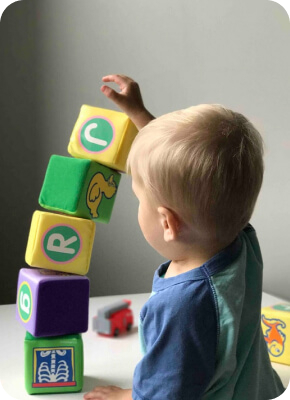
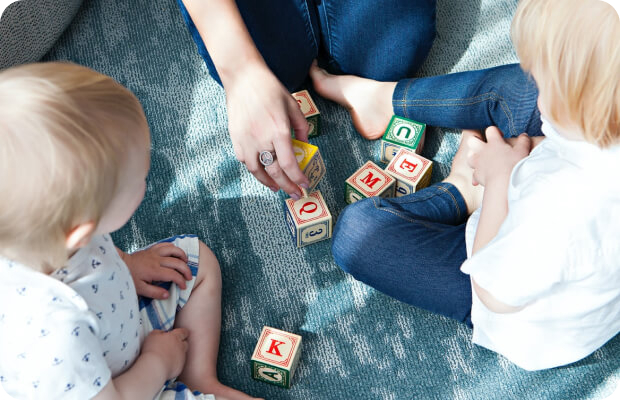
These aren’t staged studio photos — they’re the kinds of real-life moments we build our lessons around. Sibling chaos, twin giggles, quiet focus, big feelings, and tiny wins. Peek through this little bug lens and imagine your own kiddo, twins, or trip crew practicing the same skills at home: sharing, taking turns, trying again, and having fun while they learn.




What you’ll find inside the classroom
Different kinds of content for different kinds of days
Watch & Listen
Short, focused videos and audio: episodes, songs, calm-down tracks, and mini cartoons. Perfect for when you need a gentle screen-time option that still feeds their brain and nervous system instead of frying it.
Play & Make
Hands-on activities, Anytime DIYs, and printable play prompts using things you probably already have at home. Great for rainy days, weekends, or “we’ve watched enough” moments when you still want guided fun.
Grown-Up Tools
Parentorial’s, quick-read guides, checklists, and scripts to help you handle meltdowns, transitions, sleep struggles, and sibling chaos with a little more confidence and a lot less shame.
Quick Bug Moments
Little “press play and breathe” moments for busy days. Use one short video, song, or calm-down track when you need a reset — before school, in the car, or right before bed. Great for wiggly bugs, toddlers, and kids who do better in tiny bites of screen time.
Daily Bug Rhythm
Set aside 15–30 minutes a day for something a little more intentional: one focused episode + a simple activity or routine practice. This is the sweet spot for most families, twins, and triplets — predictable enough to feel safe, flexible enough to survive real-life chaos.
Big Bug Adventure Days
Save these for weekends, holidays, or “we’re all home anyway” days. Stack an episode, an Anytime DIY, and a little helper job around the house. Perfect for siblings and mixed ages — everyone gets a role, and you get one solid chunk of meaningful screen time instead of a free-for-all.
Start wherever you are. There’s no “behiStart with the pace that feels doable this week. No guilt, no perfection — just small, steady bug steps.nd” in this classroom — just the next small step that fits your little bugs today.